Department of Evolutionary Anthropology
Grid containing content elements

Research
- Ape Behaviour and Ecology (APE)
- Comparative Communication and Cognition (CCCG)
- Evolutionary Cognition Group (ECG)
- Evolutionary Genetics Group (EGG)
- Human Evolutionary Ecology (HEE)
- Hominin Evolution Group (HEG)
- Human Evolutionary Ecophysiology (HEEP)
- Primate Reproductive Strategies and Socioendocrinology (PRSS)
- Primate Social Evolution (PSEG)
News
-
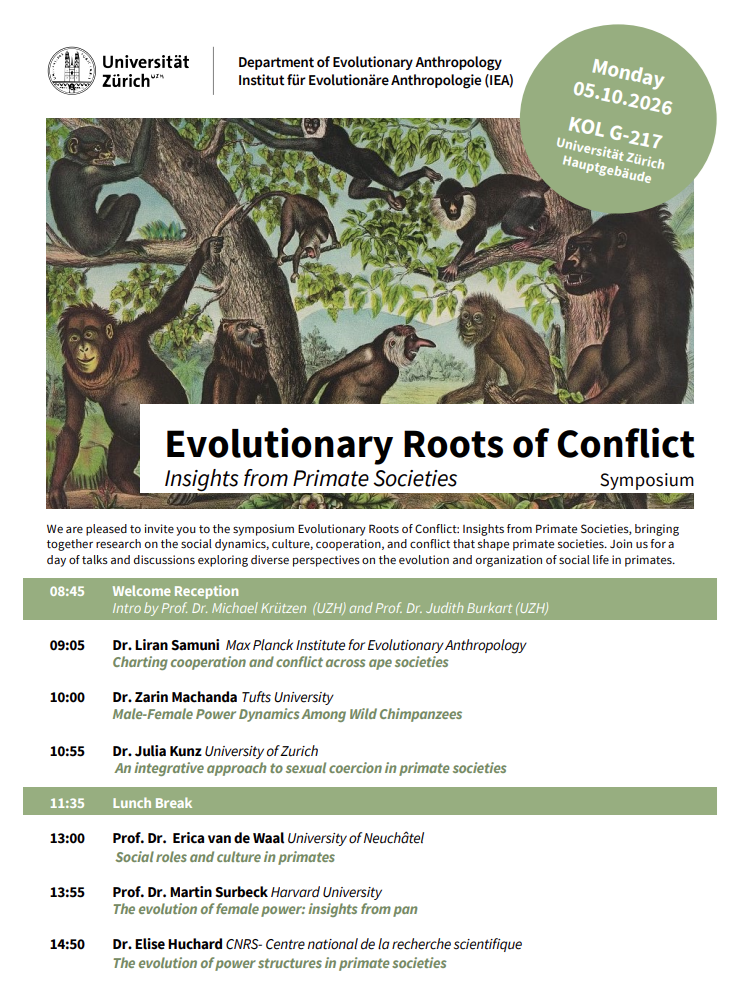
Evolutionary Roots of Conflict Insights from Primate Societies Symposium
Universität Zürich Hauptgebäude KOL G-217, 08:45
-
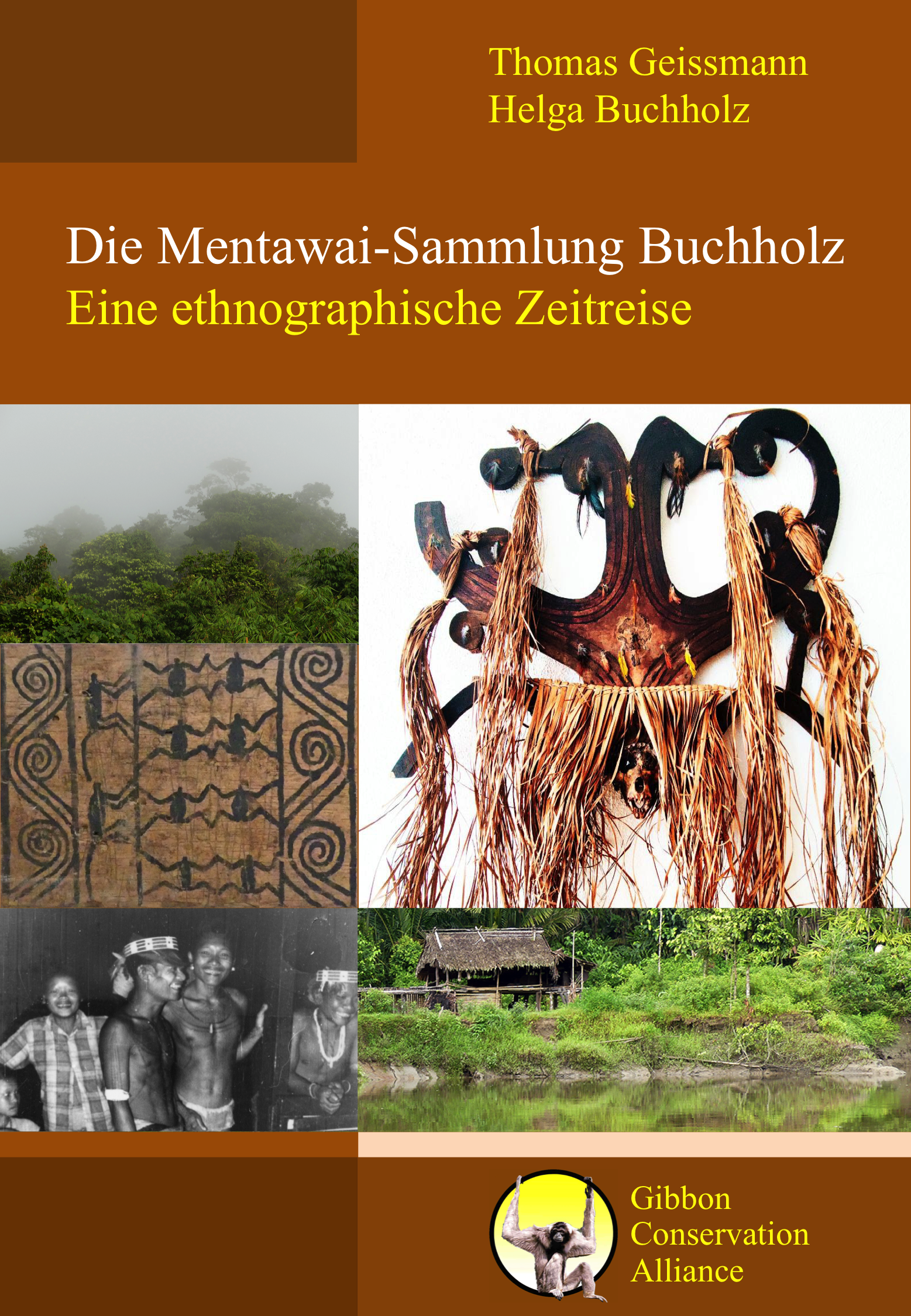
Book publication in German language
Thomas Geissmann & Helga Buchholz (2026). Die Mentawai-Sammlung Buchholz – Eine ethnographische Zeitreise. Gibbon Conservation Alliance, Institut für Evolutionäre Anthropologie, Universität Zürich, Zürich, 160 Seiten. ISBN: 978-3-033-11976-5
-
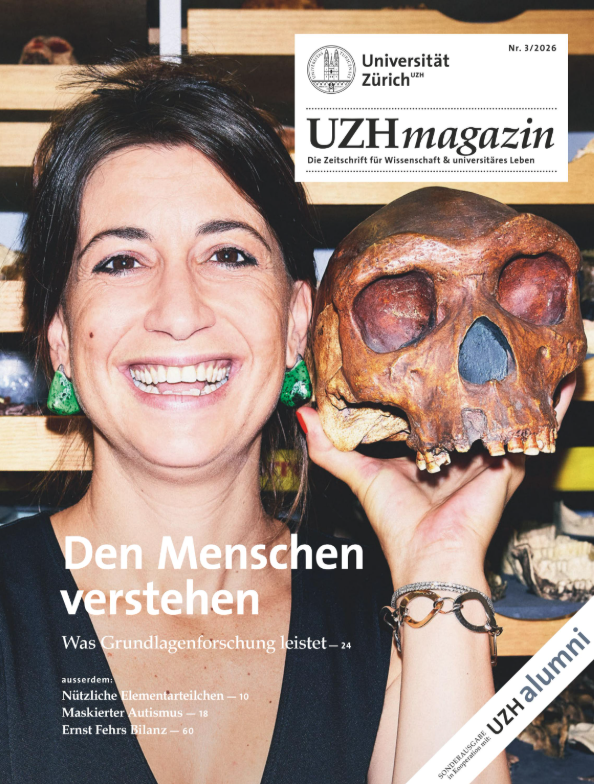
IEA in UZH News
Paola Cerrito in the latest issue of UZH Magazine (p.42 onwards) See the full issue here.